

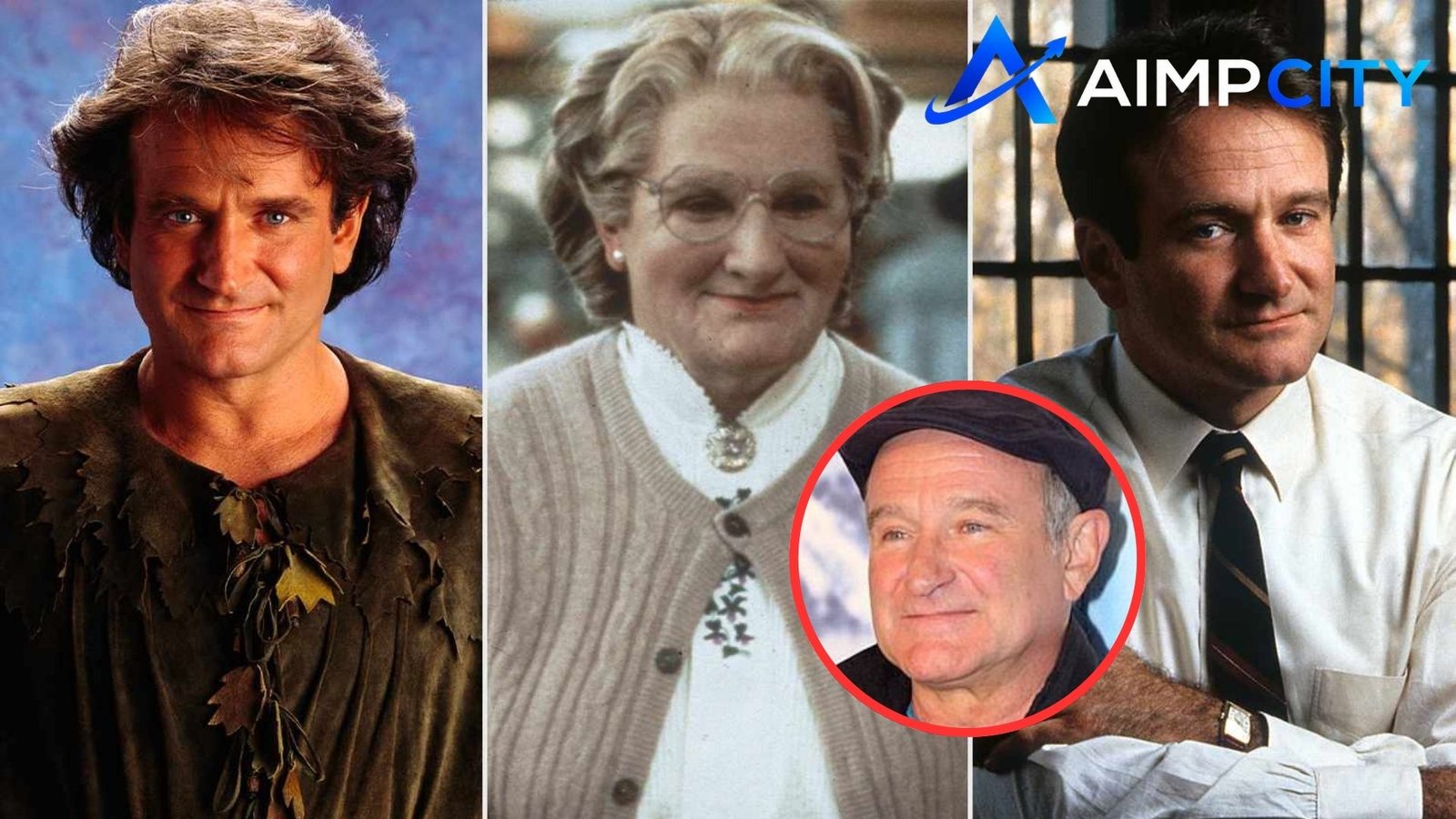
Few artists in modern culture held the uncanny ability to leap from chaotic, frantic comedy to soul-stirring dramatic performance in a single heartbeat. Robin Williams was a rare force who could make a theater roar with laughter before bringing them to tears minutes later. Yet, when news broke of his death on August 11, 2014, the world felt a sudden, profound shift. A man who spent four decades healing others through laughter had tragically departed.
For years, widespread misconceptions dominated public discussions surrounding his passing. Millions assumed his death was strictly the result of severe depression or a relapse into addiction—narratives that dominated early news cycles. However, medical evidence and subsequent autopsy findings revealed a far more complex and heartbreaking reality: an aggressive, misdiagnosed neurodegenerative disorder.
This comprehensive guide breaks down the defining movies of Robin Williams’ career, examines the actual medical truths behind how he died, and highlights three little-known facts about his life and artistic process that shed new light on his genius.
The Definitive Robin Williams Filmography: Essential Viewing
Robin Williams built a multi-decade filmography spanning blockbuster comedies, animated masterpieces, tender indie dramas, and psychological thrillers. Categorizing his work by artistic intent offers a clear lens into his range as an actor.
The Defining Dramatic Roles
While Williams earned his reputation through fast-paced stand-up, his dramatic roles showcased extraordinary empathy and depth.
- Good Will Hunting (1997): Playing therapist Dr. Sean Maguire, Williams delivered his defining dramatic performance, earning him the Academy Award for Best Supporting Actor. His bench monologue in Boston Common remains a milestone of modern cinematic acting.
- Dead Poets Society (1989): As unconventional English teacher John Keating, Williams inspired a generation of filmgoers with the rallying cry Carpe Diem. He balanced sharp humor with quiet vulnerability.
- Awakenings (1990): Acting alongside Robert De Niro, Williams portrayed Dr. Malcolm Sayer, a shy neurologist treating catatonic encephalitis lethargica patients. Williams often cited this as one of his personal favorite filming experiences due to its deep exploration of human consciousness.
- The Fisher King (1991): Directed by Terry Gilliam, this film allowed Williams to bridge wild absurdity with raw grief, portraying a homeless man suffering from severe PTSD.
The Landmark Comedies & Family Classics
Williams possessed an unmatched physical energy and improvisation skill that redefined film comedy.
- Mrs. Doubtfire (1993): Playing Daniel Hillard a desperate father who disguises himself as an elderly British nanny to spend time with his children Williams delivered a masterclass in voice work and physical transformation.
- Aladdin (1992): Disney animators famously modified the character of the Genie to fit Williams’ improvisational comedy style. His performance fundamentally altered how Hollywood cast major stars in animated films.
- Good Morning, Vietnam (1987): As radio DJ Adrian Cronauer, Williams was given absolute freedom by director Barry Levinson to improvise his radio broadcasts, resulting in his first Academy Award nomination for Best Actor.
- Jumanji (1995) & The Birdcage (1996): Demonstrating his dual ability to carry high-concept fantasy blockbusters and brilliant ensemble comedies, both roles proved his enduring box-office power.
The Dark & Unconventional Performances
Later in his career, Williams deliberately sought out roles that inverted his warm public persona.
- One Hour Photo (2002): Williams played Seymour “Sy” Parrish, a lonely photo lab technician whose obsession with a suburban family turns sinister.
- Insomnia (2002): Directed by Christopher Nolan, Williams starred as a calculating crime novelist playing a psychological game of cat-and-mouse with a sleep-deprived detective played by Al Pacino.
How Did Robin Williams Die? Understanding the Medical Truth
When Robin Williams passed away at his home in Paradise Cay, California, on August 11, 2014, at age 63, the initial cause of death was determined as suicide by asphyxiation. In the immediate aftermath, headlines focused heavily on his historical struggles with depression.
However, the complete post-mortem investigation and brain tissue analysis revealed a critical factor: Williams was suffering from Diffuse Lewy Body Dementia (LBD).
What is Lewy Body Dementia?
Lewy body dementia is a progressive, fatal brain disorder caused by abnormal protein deposits (alpha-synuclein) that build up in brain cells. These deposits—called “Lewy bodies”—disrupt chemical signals, damaging memory, movement, reasoning, and mood regulation.
Medical experts and neurologists who reviewed Williams’ autopsy noted that his case was one of the most severe manifestations of the condition they had ever seen, with Lewy bodies present throughout his entire brain and brainstem.
The Misdiagnosis and Final Months
In the 10 months leading up to his death, Williams experienced a baffling array of symptoms that confounded specialists. He suffered from:
- Severe, sudden panic attacks and crippling anxiety.
- Motor skill impairment, tremors, and muscle stiffness (initially leading to a tentative diagnosis of Parkinson’s disease).
- Spatial awareness loss and visual impairment.
- Extreme memory loss, paranoia, and rapid cognitive fluctuation.
Because LBD symptoms mimic Parkinson’s disease, Alzheimer’s, and psychiatric disorders simultaneously, it is notoriously difficult to diagnose in living patients. Williams and his family spent his final year chasing misdiagnoses without understanding why his brilliant mind was failing. His widow, Susan Schneider Williams, later described LBD as “the terrorist inside my husband’s brain,” noting that the disease deprived him of his cognitive control, producing severe paranoia and disorientation that ultimately led to his tragic death.
3 Unique Insights Into Robin Williams’ Legacy
While most retrospectives focus on his stand-up routines and box-office hits, these three lesser-known aspects of his life reveal the true nature of his character and technique:
1. The “Rider” Clause for Homeless Employment
Beyond his visible philanthropic work (such as co-hosting Comic Relief), Williams quietly maintained a strict, non-negotiable clause in his film contracts. For every project he agreed to join, the production company had to hire a specific number of local homeless individuals and give them jobs on set. Throughout his career, this practice helped hundreds of unhoused people gain temporary employment, union hours, and industry experience.
2. His Deep Connection to Neurology Prior to Diagnosis
Decades before he was afflicted by Lewy body dementia, Williams harbored a deep interest in human brain function. To prepare for his role as Dr. Malcolm Sayer in Awakenings (1990), he spent weeks working directly alongside famed neurologist Dr. Oliver Sacks. Dr. Sacks later noted that Williams had an almost uncanny, intuitive grasp of neurological conditions, observing patients with intense respect and empathy rather than performing an impression.
3. The Structural Discipline Behind His “Improv”
While audiences viewed Williams’ comedy as pure, unfiltered impulse, his process was grounded in intense discipline and stamina. On sets like Mrs. Doubtfire and Aladdin, directors would shoot the scripted dialogue first to secure standard coverage. Only then would they run the camera for 10–15 takes while Williams improvised endlessly. Editors often had to review miles of extra film footage just to compile his best unscripted moments, which frequently transformed the entire narrative arc of the movie.
How to Approach Robin Williams’ Filmography: A Viewing Guide
If you are revisiting his body of work or introducing it to a new viewer, structuring your watchlist by thematic tone provides the best appreciation of his versatility:
- For the Pure Family Magic: Start with Mrs. Doubtfire, follow with Jumanji, and finish with his voice performance in Aladdin.
- For Deep Emotional Reflection: Pair Good Will Hunting with Dead Poets Society.
- For Dramatic Edge: Watch Awakenings, The Fisher King, and One Hour Photo consecutively.
Conclusion:
Robin Williams left behind far more than a celebrated career in Hollywood; he left a legacy of boundless empathy, warmth, and artistic daring. While the medical circumstances surrounding his final year were heartbreaking, understanding the truth about his battle with Lewy body dementia brings clarity to his story and fosters critical awareness for millions affected by brain disorders. Through his films, his comedy, and his quiet generosity, Robin Williams continues to bring light to generations of viewers worldwide.
Frequently Asked Questions
What was Robin Williams’ official cause of death?
Robin Williams’ immediate cause of death was suicide by hanging. However, the underlying medical cause driving his rapid physical and severe psychiatric decline was severe, undiagnosed Diffuse Lewy Body Dementia (LBD).
Did Robin Williams win an Oscar?
Yes. Robin Williams won the Academy Award for Best Supporting Actor in 1998 for his role as therapist Sean Maguire in Good Will Hunting. He was also nominated for Best Actor three times for Good Morning, Vietnam, Dead Poets Society, and The Fisher King.
What is Lewy Body Dementia, and how did it affect Robin Williams?
Lewy Body Dementia is a progressive neurodegenerative illness where protein deposits damage brain regions controlling thought, movement, and mood. In Williams’ case, it caused severe anxiety, memory lapses, paranoia, and movement issues, creating intense confusion in his final months.
What was Robin Williams’ personal favorite movie role?
While fans love his blockbusters, Williams publicly stated during a 2014 Reddit Q&A that his favorite experience was working on Awakenings (1990) alongside Robert De Niro. He deeply valued the opportunity to explore human brain function and neurological resilience.
