

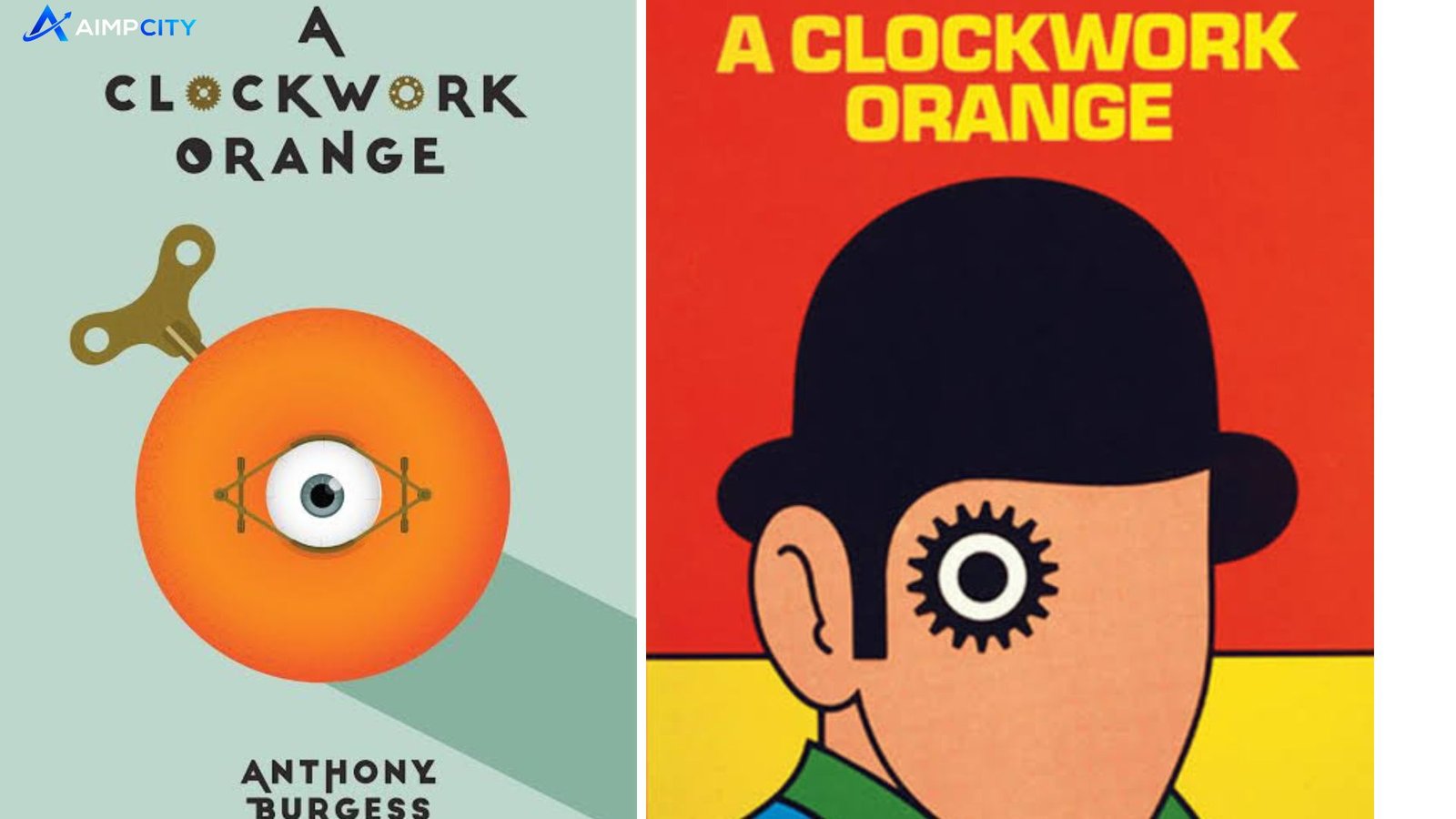
The A Clockwork Orange book by Anthony Burgess remains one of the most discussed and controversial novels of the 20th century. First published in 1962, the novel explores violence, morality, personal choice, and the conflict between individual freedom and social control. Many readers search for this book to understand its unusual language, deeper themes, and why it continues to influence conversations about ethics and human behavior.
Written in a distinctive style that blends English with invented slang known as Nadsat, the novel presents a disturbing yet thought-provoking vision of a future society. Rather than simply telling a story about crime, Anthony Burgess created a philosophical work that questions whether forced goodness can truly be considered morality.
What Is the A Clockwork Orange book About?
The A Clockwork Orange book follows Alex, a teenage gang leader living in a dystopian future where violence, rebellion, and social disorder shape everyday life. Alex and his group, known as his “droogs,” commit acts of brutality while Alex also enjoys classical music, especially the works of Ludwig van Beethoven.
The story takes readers through Alex’s journey from a violent criminal to a person subjected to an experimental government treatment designed to remove his ability to choose violence. The treatment forces him to experience physical sickness whenever he thinks about committing harmful acts.
The central question of the novel is not simply whether violence is wrong. Instead, Burgess asks whether a person who is forced to behave well is actually moral if they no longer have the ability to choose between good and evil.
The Main Themes Behind Anthony Burgess’s Novel
The power of the novel comes from its exploration of complex ideas rather than its shocking scenes. Burgess uses Alex’s story to examine several important themes that remain relevant decades after publication.
| Theme | Explanation | Why It Matters |
|---|---|---|
| Free Will | The novel examines whether people must have the ability to choose wrong in order to choose right. | It raises ethical questions about control and personal responsibility. |
| Violence and Society | Burgess explores why violence exists and how governments respond to crime. | It challenges simple solutions to social problems. |
| Identity and Humanity | Alex’s personality creates questions about whether behavior alone defines a person. | It explores what makes someone human. |
| Government Control | The story shows the dangers of using extreme methods to create social order. | It highlights conflicts between security and freedom. |
Understanding Nadsat: The Unique Language of the Novel
One of the most recognizable features of the A Clockwork Orange book is its invented language. Burgess created Nadsat, a slang used by Alex and his friends. The language combines English with influences from Russian, Cockney rhyming slang, and other linguistic elements.
Words such as “droog” for friend and “ultraviolence” for extreme acts of violence became closely associated with the novel. At first, Nadsat can make the story feel difficult to understand, but it serves an important purpose.
By making readers adjust to Alex’s vocabulary, Burgess creates distance between the audience and the disturbing events taking place. The unfamiliar words also show how language can shape perception and influence how people understand actions.
Alex as a Complicated Main Character
Alex is not a traditional hero. He is intelligent, charming, artistic, and deeply violent at the same time. This contradiction makes him one of literature’s most memorable antiheroes.
Burgess does not present Alex’s actions as acceptable. Instead, he creates a character who forces readers to confront uncomfortable questions. Can someone who commits terrible acts still possess humanity? Should society remove someone’s freedom if it prevents them from causing harm?
The complexity of Alex’s character is one reason the novel continues to attract academic discussion and literary analysis.
💡 Pro Tip: When reading the novel for the first time, focus less on understanding every Nadsat word immediately and more on the context of each scene. The meaning of the language becomes clearer as the story develops.
The Controversy Surrounding the Novel
Since its release, the A Clockwork Orange book has generated debate because of its portrayal of violence. Some critics have questioned whether fictional depictions of brutality can influence audiences, while others argue that Burgess uses violence as a tool for examining deeper moral issues.
The controversy increased after the release of Stanley Kubrick’s 1971 film adaptation, which introduced the story to an even wider audience. The film became famous for its visual style and sparked discussions about censorship, artistic freedom, and responsibility.
However, Burgess’s original novel contains elements that differ from the movie, including additional philosophical focus and a different approach to Alex’s development.
Differences Between the Book and the Film Adaptation
The A Clockwork Orange book and its film adaptation share the same basic storyline, but there are important differences.
The novel spends more time exploring Alex’s thoughts, language, and moral transformation. The book also includes an ending that provides a different perspective on Alex’s future and personal growth.
Stanley Kubrick’s adaptation is widely recognized as a major cinematic achievement, but it emphasizes the darker and more shocking aspects of the story. Readers interested in understanding Burgess’s full message often find that the novel provides more insight into the author’s questions about maturity, choice, and morality.
Why the Novel Still Matters Today
More than sixty years after publication, the A Clockwork Orange book continues to be studied because its themes connect with modern debates about crime prevention, rehabilitation, artificial intelligence, surveillance, and personal freedom.
The novel does not provide simple answers. Instead, it asks readers to consider difficult questions about human nature. A society without crime may sound ideal, but Burgess challenges whether achieving that goal through forced behavior creates a better world.
The book’s influence can be seen across literature, film, music, and popular culture. Its ideas about free will and social control remain topics of discussion in universities and among readers worldwide.
📌 Key Takeaway
The lasting importance of the A Clockwork Orange book comes from its ability to challenge readers rather than simply entertain them. Anthony Burgess created a story that examines violence, morality, and freedom while leaving audiences to question what truly defines human choice.
Frequently Asked Questions
What is the A Clockwork Orange book mainly about?
The novel is about Alex, a violent teenager in a dystopian society, and his experience with a government treatment designed to eliminate his ability to commit violence. The story explores whether forced good behavior can replace genuine moral choice.
Is A Clockwork Orange book difficult to read?
The novel can be challenging because of its use of Nadsat, a fictional slang language created by Anthony Burgess. However, readers usually understand the meaning through context, and the unusual language becomes part of the book’s unique experience.
Who wrote A Clockwork Orange?
A Clockwork Orange was written by English author Anthony Burgess. The novel was first published in 1962 and became one of his most internationally recognized works.
Is the book different from the movie?
Yes. While the main storyline is similar, the novel provides more focus on Alex’s thoughts and includes differences in tone and ending. The book offers a deeper exploration of the philosophical ideas behind the story.
Why is A Clockwork Orange considered controversial?
The novel is controversial because it contains graphic themes involving violence and explores uncomfortable questions about human behavior, punishment, and government control. Many readers consider its purpose to be philosophical rather than simply shocking.
Conclusion
The A Clockwork Orange book remains a powerful literary work because it examines questions that have no easy answers. Anthony Burgess created more than a story about violence; he created a discussion about freedom, responsibility, and what it means to be truly human.
Its unusual language, unforgettable characters, and challenging ideas have allowed the novel to remain relevant across generations. For readers interested in dystopian fiction and moral philosophy, this book continues to offer a complex and rewarding experience.
