

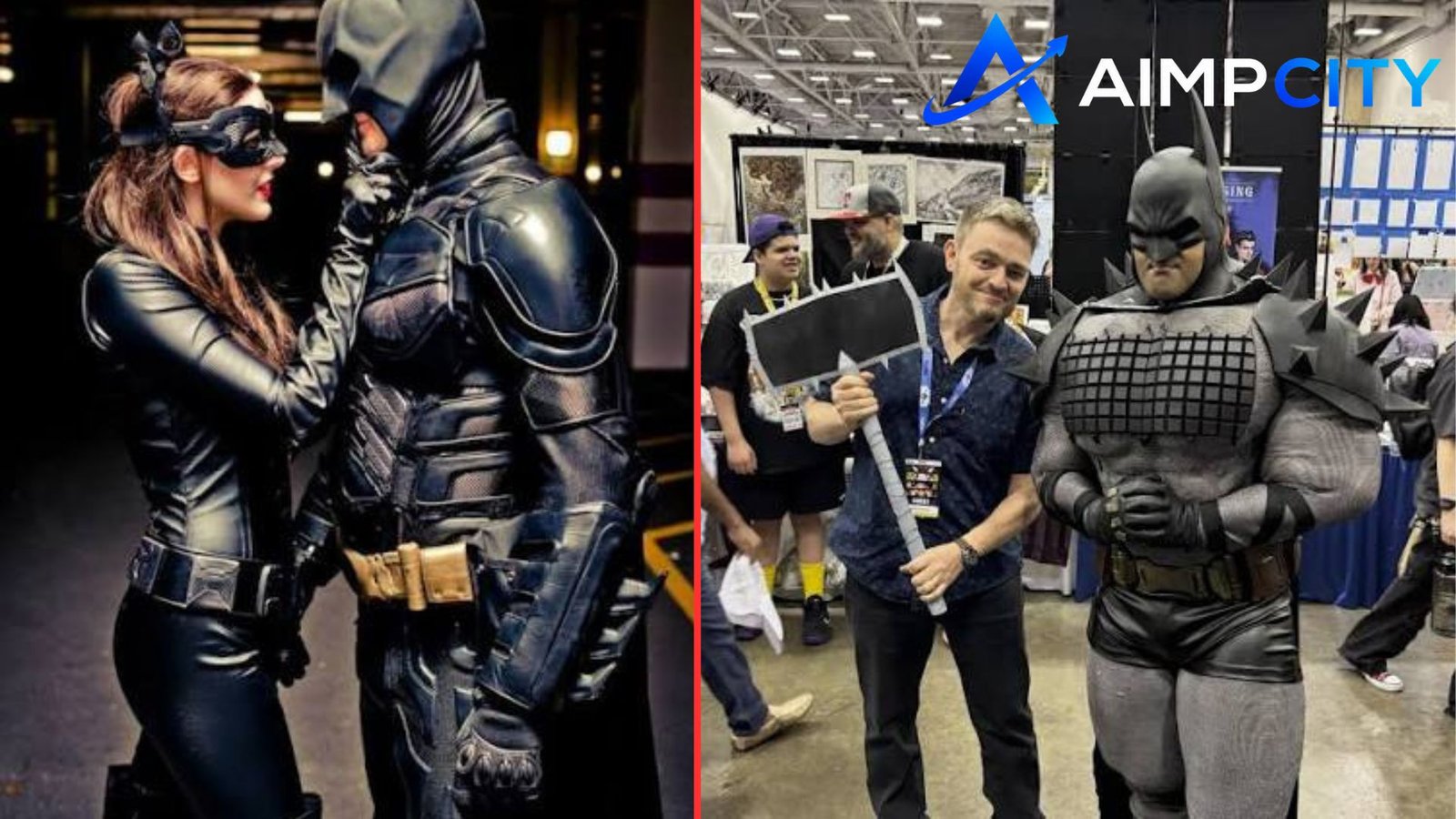
Bringing Gotham’s iconic protector to life requires precise planning, patience, and material mastery. A realistic batman cosplay relies on strong silhouetting, authentic texturing, and anatomical armor placement rather than generic store-bought outfits. Whether modeling your suit after classic comics, video games, or cinematic adaptations, mastering armor fabrication, cowl selection, and cape draping transforms an ordinary suit into a screen-ready masterpiece.
Choosing the Right Build Style
Selecting a specific style guides your material choices and overall structural needs:
- Tactical Suit: Utilizes dense EVA foam, carbon fiber vinyl overlays, and modular webbing for a battle-ready batman cosplay aesthetic.
- Classic Comic Style: Relies on high-denier spandex, airbrushed muscle shading, and structured leather accents.
- Armored Suit: Incorporates heat-formed thermoplastic sheets, high-density foam plating, and recessed LED accents for a modern batman cosplay design.
Essential Materials and Construction Methods
To build a durable batman cosplay, selecting proper components is critical. The comparative overview below breaks down primary materials, fastening methods, and key features.
| Suit Component | Recommended Material | Assembly Method | Key Construction Detail |
| Cowl | Urethane Rubber or Flexible Resin | Cast Molding / Form-Fitting | Defined jawline, mesh eye openings |
| Chest Emblem | Cast Resin or High-Density Foam | Contact Cement / Embedded Magnets | Recessed beveling, matte black finish |
| Utility Belt | Heavy Leatherette & 3D Printed Pouches | Riveted mounting plates | Functional magnetic latches |
| Cape | Heavy Wool Blend or Faux Leather | Scalloped Hem Tailoring | Shoulder-locked mounting harness |
| Gauntlets | EVA Foam with Resin Fins | Hook-and-Loop Under-sleeves | Tapered wrist articulation |
| Shin Armor | Thermoplastic & Molded Foam | Quick-release elastic straps | Impact-resistant knee guards |
Advanced Construction and Material Selection
Beyond basic crafting, achieving professional results on a batman cosplay involves mastering suit layering and proportional weight distribution:
| Advanced Feature | Fabrication Strategy | Performance Benefit | Maintenance Tip |
| Flexible Undersuit | Breathable 4-way stretch spandex base | Unrestricted mobility during movement | Hand-wash with mild detergent |
| Modular Armor Plates | Segmented high-density foam layering | Prevents binding when bending or sitting | Store flat to prevent warping |
| Custom Boots | Reinforced leather boots with outer plating | Authentic comic-accurate silhouette | Treat leather with waterproofing spray |
| Illuminated Accents | Low-heat micro LED strips | High-impact visual presence in photos | Use concealed quick-disconnect batteries |
| Weathering Finish | Dry-brushing dark acrylic paints | realistic battle-damaged realism | Seal with matte clear coat |
| Magnetic Fasteners | Neodymium magnets in utility pouches | Fast accessory access during events | Keep away from delicate electronics |
Cowl Fitting and Thermal Management
The cowl serves as the visual anchor for any batman cosplay project. Urethane rubber cowls offer movie-accurate flexibility, but they retain significant body heat. To maintain comfort during long convention appearances:
- Line the interior crown with moisture-wicking synthetic padding.
- Install miniature micro-fans inside the ear cavities or jawline for air circulation.
- Apply cosmetic skin-safe adhesive along the cheekbones to keep the mask centered during movement.
💡 Pro Tip: When painting EVA foam armor pieces for your batman cosplay, seal the surface with a flexible rubberized coating or heat-seal the cell pores before applying acrylic paints. This prevents paint chipping and maintains flex resistance along stress points.
Cape Drape and Harness Support
A proper cape requires structured weight distribution. Heavy fabrics create an iconic silhouette, but anchoring them directly to the suit neckline damages the fabric over time. Build an internal chest-and-shoulder harness beneath the main undersuit, securing the cape with hidden mechanical fasteners or heavy-duty Chicago screws.
📌 Key Takeaway: Prioritize internal structural support, heat management, and proper surface sealing to ensure your tactical batman cosplay looks screen-accurate while remaining wearable for extended events.
Conclusion
Executing an exceptional batman cosplay comes down to material control, clean finish work, and practical wearability. By planning proper heat management, reinforcing key stress points, and carefully building each suit layer, your project will deliver long-lasting comfort and screen-accurate impact at any convention.
Frequently Asked Questions
1. Which cowl material works best for long convention days?
3D-printed flexible TPU or lined urethane rubber provides the best balance between structural realism and comfort. Ensure the mask incorporates ventilation paths or internal padding to reduce heat buildup during extended wear.
2. How do I make the armor plates move naturally?
Mount individual foam or plastic plates onto a flexible, breathable base suit using industrial hook-and-loop fasteners or flexible contact adhesive. Segmenting the abdominal and lathe armor prevents binding when sitting or bending.
3. What fabric is best for an accurate cape drape?
Medium-to-heavyweight fabrics like wool blends, tactical micro-twill, or coated faux leather provide the structural weight necessary for dramatic drapes without ballooning in minor wind currents.
4. How do I keep the suit cool during summer events?
Wear an active cooling undersuit beneath the armor, integrate hidden ventilation slits behind overlapping plates, and install micro-ventilation fans powered by small rechargeable lithium batteries inside the cowl.
