

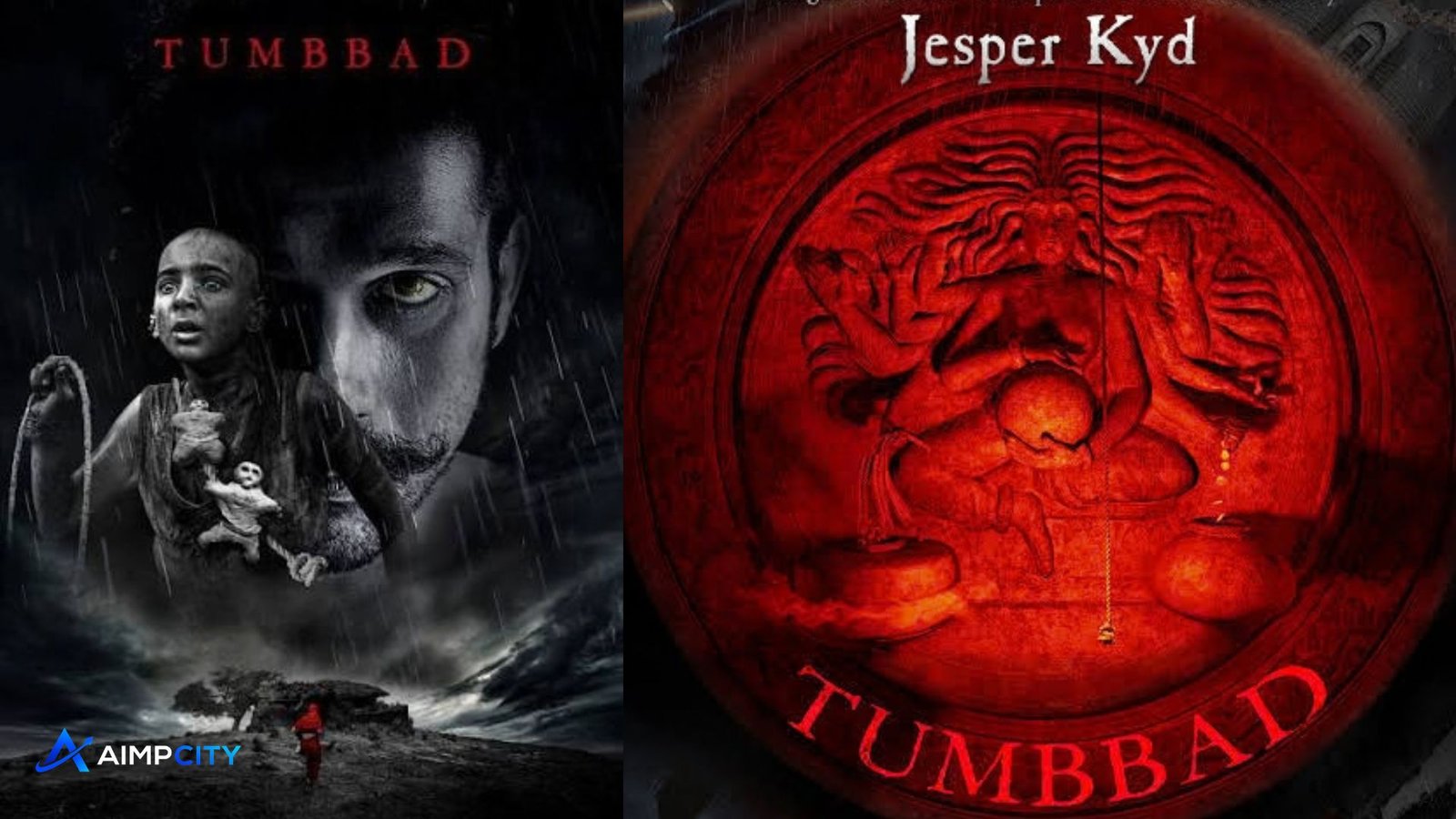
Tumbbad is a 2018 Hindi-language horror film that blends Indian mythology, period drama, fantasy, and psychological horror. Directed by Rahi Anil Barve and Adesh Prasad, the film follows Vinayak Rao, played by Sohum Shah, whose obsession with an ancestral treasure gradually turns into a dangerous cycle of greed.
Rather than relying on conventional jump scares, the movie builds fear through its mythology, atmosphere, production design, sound, and increasingly disturbing consequences. For viewers searching for a distinctive Indian horror movie, it offers much more than a supernatural story.
What Is Tumbbad About?
Set primarily in early-20th-century India, the story centers on Vinayak and a hidden treasure connected to an ancient, terrifying entity. The treasure is protected by Hastar, a fallen deity associated with insatiable hunger and greed.
Vinayak learns how to access the treasure and repeatedly returns to the source of the gold. His success, however, does not satisfy him. Instead, each discovery encourages him to take greater risks.
That central idea gives Tumbbad its strongest dramatic foundation: the supernatural threat is closely tied to human desire. The film uses treasure not simply as a plot device but as a representation of endless wanting.
The official production description similarly presents Vinayak’s journey as an escalating pursuit of ancestral wealth that eventually becomes his undoing.
Tumbbad Cast and Key Characters
Sohum Shah leads the film as Vinayak Rao, appearing across different stages of the character’s life. His performance is particularly important because the story depends on showing how ambition gradually becomes obsession.
The principal creative team includes Rahi Anil Barve and Adesh Prasad, while Anand Gandhi was also closely involved with the film’s development and production. The film was made over six years and shot across four monsoons, a production history that helps explain its unusually detailed visual world.
| Element | Details |
|---|---|
| Release year | 2018 |
| Language | Hindi |
| Main actor | Sohum Shah |
| Directors | Rahi Anil Barve, Adesh Prasad |
| Cinematography | Pankaj Kumar |
| Production design | Nitin Zihani Choudhary, Rakesh Yadav |
| Genre | Horror, fantasy, period drama |
| Central theme | Greed and its consequences |
Why the Visual Style Matters
One of the defining qualities of Tumbbad is its visual atmosphere. Rain-soaked landscapes, muddy interiors, old structures, underground spaces, and dim lighting create a world that feels physically oppressive.
Cinematographer Pankaj Kumar received major recognition for the film’s imagery, including the Best Cinematography award at the 2018 Sitges Film Festival and a Filmfare award.
The production design is equally significant. Instead of presenting the supernatural world as something separate from everyday life, the film places its mythology inside houses, wells, temples, forests, and other tangible environments.
That approach makes the fantasy elements feel connected to the physical world. The result is a setting that often feels unsettling even before anything frightening happens.
💡 Pro Tip: If you watch Tumbbad for the first time, pay attention to the background details rather than focusing only on the creature scenes. The architecture, weather, shadows, costumes, and recurring visual patterns reveal how the film builds its mythology.
The Role of Indian Mythology
The film’s mythology is fictionalized for its narrative, but it draws on recognizable ideas from Indian religious and cultural storytelling, particularly the concept of divine beings, curses, offerings, and supernatural forces.
Hastar is central to this mythology. Unlike a conventional monster who simply hunts characters, he is connected directly to the film’s ideas about appetite and possession. His presence gives physical form to the story’s warning about wanting more than one needs.
This is one reason the movie can be read on multiple levels. At the surface, it is a supernatural horror story. Beneath that, it is a family saga about inherited desire and the consequences of passing destructive ambitions from one generation to another.
Tumbbad and the Theme of Greed
Greed is not merely one theme among many; it drives the plot.
Vinayak does not stumble into danger once and escape. He repeatedly chooses to return because the reward is too tempting. The treasure provides wealth, but it also creates dependency.
The film therefore treats greed as something that grows through repetition. A small gain creates the desire for a larger one, and each success makes the next risk easier to justify.
This makes the horror more personal. The supernatural world is frightening, but Vinayak’s choices are what repeatedly push him deeper into it.
Awards and Critical Recognition
The film received substantial recognition for its technical and artistic achievements. Its official production page lists awards for cinematography, production design, sound design, special effects, and other categories from organizations and festivals in India and abroad.
Its festival recognition also included Best Film and Best Cinematography honors at Sitges, along with awards at Screamfest and CinemAsia.
These accolades help explain why the film is often discussed not only as a horror movie but also as a notable achievement in visual filmmaking.
Is Tumbbad Worth Watching?
For viewers who enjoy atmospheric horror, mythology, dark fantasy, or Indian period cinema, Tumbbad offers an unusual combination of genres. Its pacing is deliberate, and its horror depends heavily on mood rather than constant action.
The movie is also worth exploring for its filmmaking craft. The cinematography, production design, creature work, sound, and monsoon-soaked locations work together instead of functioning as isolated effects.
Viewers expecting a conventional supernatural thriller may find its storytelling slower and more symbolic. Those interested in atmosphere and thematic horror are more likely to appreciate its approach.
📌 Key Takeaway: Tumbbad stands out because its supernatural mythology and human drama are inseparable. The treasure, Hastar, and horror elements all reinforce the same central idea: unchecked desire can transform opportunity into destruction.
Frequently Asked Questions
Is Tumbbad based on a true story?
No. Tumbbad is a fictional fantasy-horror story. Its mythology is created for the film, although it incorporates ideas and imagery influenced by Indian folklore and religious storytelling. The setting, family history, treasure, and supernatural mythology serve the movie’s fictional narrative.
Who directed Tumbbad?
The film is credited to Rahi Anil Barve and Adesh Prasad as directors. Anand Gandhi was also an important creative and production figure associated with the project. The film’s development and production took several years.
Who plays Vinayak in Tumbbad?
Sohum Shah plays Vinayak Rao, the central character whose pursuit of an ancestral treasure drives the story. Shah also served as a producer associated with the project.
What is Hastar in the movie?
Hastar is the supernatural guardian associated with the ancestral treasure. He is portrayed as a dangerous, hunger-driven entity and is central to the film’s mythology. His character also reinforces the story’s larger ideas about appetite, possession, and greed.
Why is the movie visually distinctive?
Its visual identity comes from several elements working together: monsoon landscapes, practical-looking environments, detailed production design, dark interiors, atmospheric lighting, and Pankaj Kumar’s cinematography. The film received multiple awards and nominations recognizing these technical aspects.
Conclusion
Tumbbad remains distinctive because it treats horror as more than a sequence of frightening encounters. Its mythology, period setting, visual design, and character-driven story all point toward the destructive nature of unchecked desire.
For audiences discovering Indian horror, it provides a strong example of how folklore-inspired fantasy can be combined with sophisticated production design and psychological storytelling. The result is a film whose atmosphere and central warning remain as important as its supernatural imagery.
