

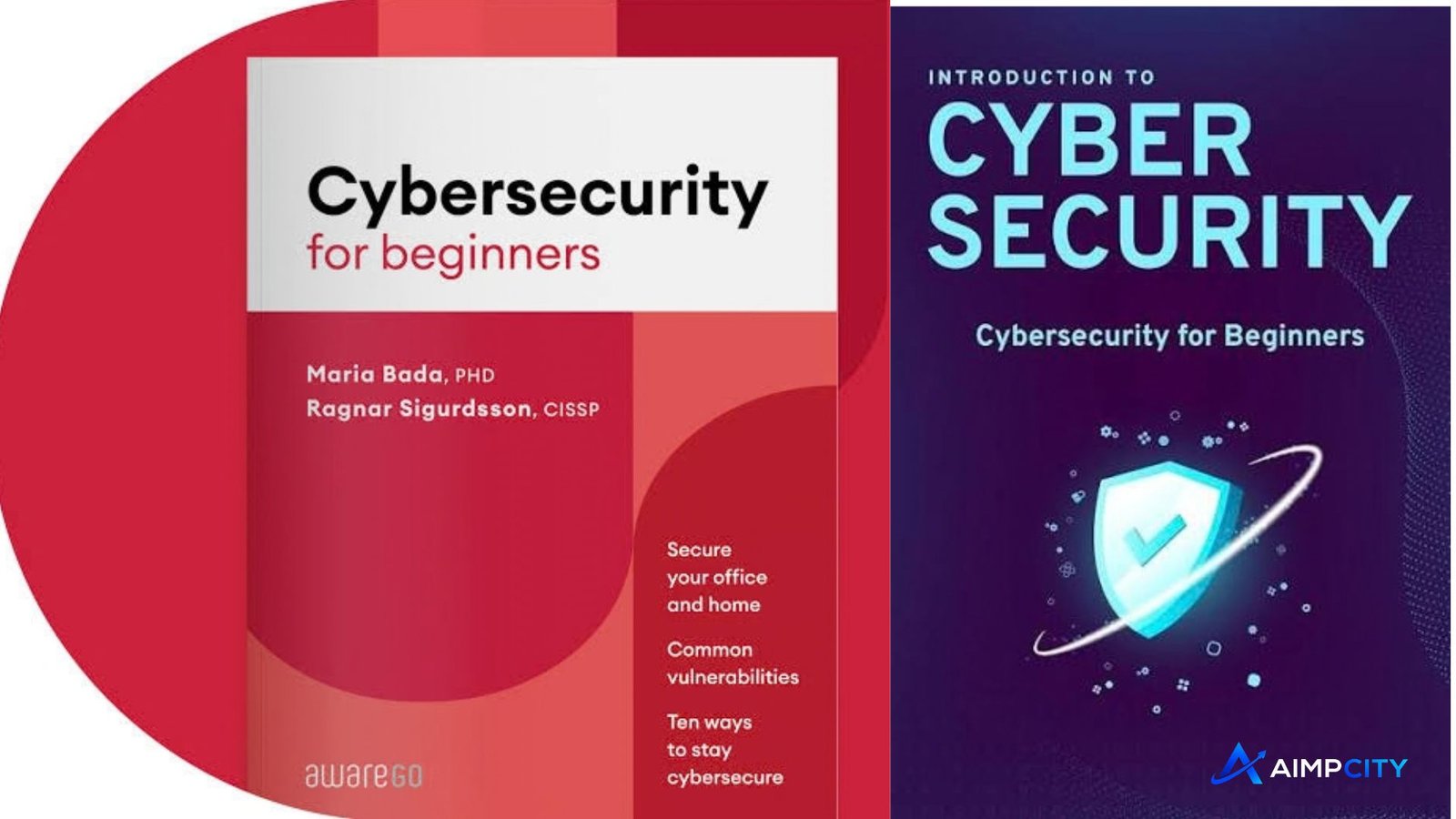
A good cybersecurity for beginners PDF should do more than define technical terms. It should show new learners how common attacks work and what practical steps they can take to protect accounts, devices, personal information, and files.
Cybersecurity can seem complicated because it covers networks, malware, identity protection, privacy, and many other subjects. However, beginners can build a strong foundation by learning a relatively small set of core concepts first. This guide explains those fundamentals and points readers toward trustworthy learning resources from organizations such as the National Institute of Standards and Technology (NIST) and the Cybersecurity and Infrastructure Security Agency (CISA).
What Should a Cybersecurity for Beginners PDF Teach?
A useful beginner resource should explain cybersecurity in plain language while connecting each concept to everyday situations. You should understand not only what a threat is, but also how to recognize it and what to do next.
The essential topics include:
- Passwords and password managers
- Multifactor authentication (MFA)
- Phishing and social engineering
- Malware and malicious downloads
- Software and operating-system updates
- Backups and data protection
- Safe browsing and account management
- Basic incident response
NIST describes cybersecurity as a continuous process rather than a one-time task. Its basic guidance includes MFA, strong passwords, password managers, backups, software updates, and protection against common threats.
Passwords and Passkeys
Passwords remain a fundamental part of online security, but using the same password across several accounts creates unnecessary risk. A password manager can generate and store unique credentials so users do not have to memorize every login.
NIST recommends using MFA and a password manager and, when a password is necessary, creating a long passphrase. NIST also explains that passkeys provide an alternative authentication method designed to resist common forms of phishing.
Multifactor Authentication
MFA requires more than one type of evidence to verify identity. For example, a service might combine a password with an authenticator-app code, security key, or biometric factor.
CISA recommends enabling MFA on accounts and explains that it adds protection even when a password has been compromised. NIST also notes that some MFA methods provide stronger protection against phishing than others.
| Cybersecurity topic | Beginner should learn | Practical action |
|---|---|---|
| Passwords | Unique, long credentials | Use a password manager |
| MFA | Multiple authentication factors | Enable MFA on important accounts |
| Phishing | Fake messages and websites | Verify links and requests before responding |
| Updates | Security fixes and patches | Turn on automatic updates |
| Backups | Copies of important information | Maintain reliable backups |
💡 Pro Tip: Start with your email account. It can be particularly important because access to an email account may help someone reset passwords for other services. Use a unique password, enable MFA, review recovery options, and check that your contact information is current.
Recognizing Phishing Before It Becomes a Problem
Phishing is one of the most important subjects in a cybersecurity for beginners PDF because attacks often depend on manipulating people rather than breaking through sophisticated technical defenses.
A phishing message may arrive through email, text message, social media, or another communication channel. It might imitate a bank, employer, delivery company, online store, or familiar service. The message may pressure you to act quickly, open an attachment, visit a website, or provide sensitive information.
Warning signs can include unexpected requests, urgent language, unfamiliar addresses, suspicious links, and requests for passwords or financial information. CISA recommends recognizing and reporting phishing attempts rather than interacting with them.
If you suspect that you entered information into a fraudulent website, act quickly. Change affected passwords, especially if the same password was reused elsewhere. NIST also recommends contacting the relevant financial institution promptly when financial information has been compromised.
Keep Devices and Software Updated
A cybersecurity for beginners PDF should also explain why updates matter. Software developers regularly release patches that address vulnerabilities and other problems. Delaying updates can leave known weaknesses unaddressed.
CISA advises users not to delay software updates and recommends automatic updates where appropriate.
Keep your operating system, web browser, mobile applications, security software, and other commonly used programs updated. Download software from reputable sources, and avoid installing applications simply because an unfamiliar pop-up claims that your device is infected.
Backups, Privacy, and Everyday Security
Backups provide another layer of protection when files are accidentally deleted, devices fail, or malicious software affects data. NIST includes regular backups among its basic cybersecurity recommendations.
Beginners should also develop sensible privacy habits. Review account permissions, limit the personal information shared publicly, and be cautious about unknown USB devices, attachments, downloads, and browser extensions.
Cybersecurity is not about eliminating every possible risk. It is about reducing avoidable risks and having sensible recovery measures when something goes wrong. That principle is central to any practical cybersecurity for beginners PDF.
A Simple Beginner Learning Path
You do not need to learn programming before starting cybersecurity. Begin with security fundamentals, then gradually explore technical subjects.
A practical progression is:
- Learn basic cybersecurity terminology.
- Secure your main email and financial accounts.
- Understand phishing and social engineering.
- Learn how networks, browsers, and operating systems work.
- Study malware, vulnerabilities, and authentication.
- Practice using safe labs or training environments.
- Explore specialized areas such as network security, cloud security, digital forensics, or penetration testing.
CISA and NIST both provide beginner-friendly cybersecurity material, including printable resources and guidance that can supplement a cybersecurity for beginners PDF.
📌 Key Takeaway: Beginners do not need to master every cybersecurity technology at once. Focus first on account security, phishing awareness, software updates, backups, and safe online behavior. These fundamentals provide a practical base for deeper study.
Frequently Asked Questions
Is a cybersecurity PDF suitable for complete beginners?
Yes. A well-designed beginner PDF can introduce terminology and security practices without assuming an IT background. Look for material that explains concepts with practical examples and recommends safe actions rather than concentrating only on technical theory.
What should I learn first in cybersecurity?
Start with authentication, passwords, MFA, phishing, malware, software updates, backups, and basic networking concepts. Once these foundations are familiar, you can move into areas such as network defense, security operations, cloud security, or ethical hacking.
Do I need programming skills to study cybersecurity?
No. Programming can become valuable for advanced cybersecurity work, automation, analysis, and security engineering, but it is not a prerequisite for learning cybersecurity fundamentals. Beginners can start by understanding operating systems, networks, authentication, common attacks, and defensive practices.
Where can I find trustworthy cybersecurity learning materials?
Government and standards organizations are useful starting points. NIST publishes cybersecurity guidance and educational material, while CISA provides practical resources covering phishing, MFA, passwords, updates, and other security fundamentals.
Can I learn cybersecurity without an IT degree?
Yes. Cybersecurity includes many roles with different technical requirements. Foundational knowledge, hands-on practice, structured courses, documentation, and safe laboratory exercises can help learners build skills progressively. An academic degree may be useful for some career paths, but it is not the only route into the field.
Conclusion
The best cybersecurity for beginners PDF is one that turns security concepts into actions you can actually follow. Learn how authentication works, recognize phishing, use unique passwords, enable MFA, install updates, and maintain backups. Once these habits become familiar, you can move confidently toward more advanced cybersecurity subjects and practical training.
